Istanbul Dance Show Guide
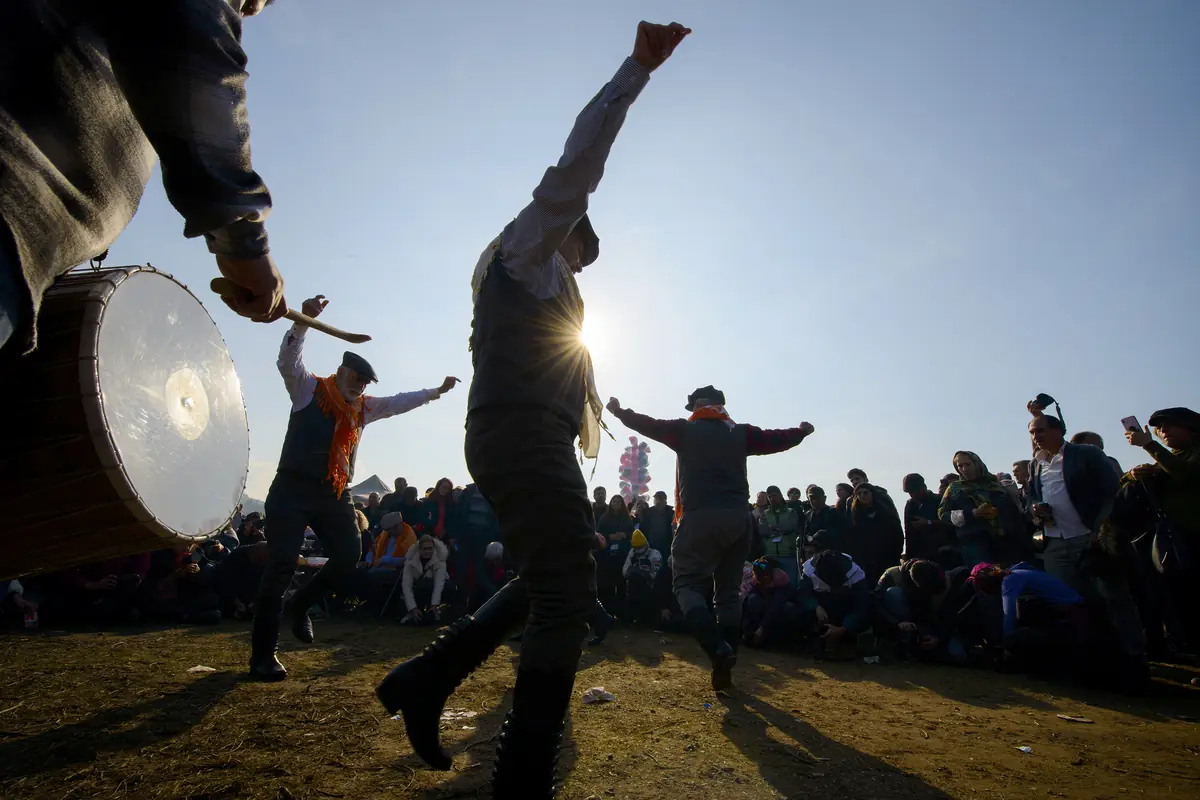
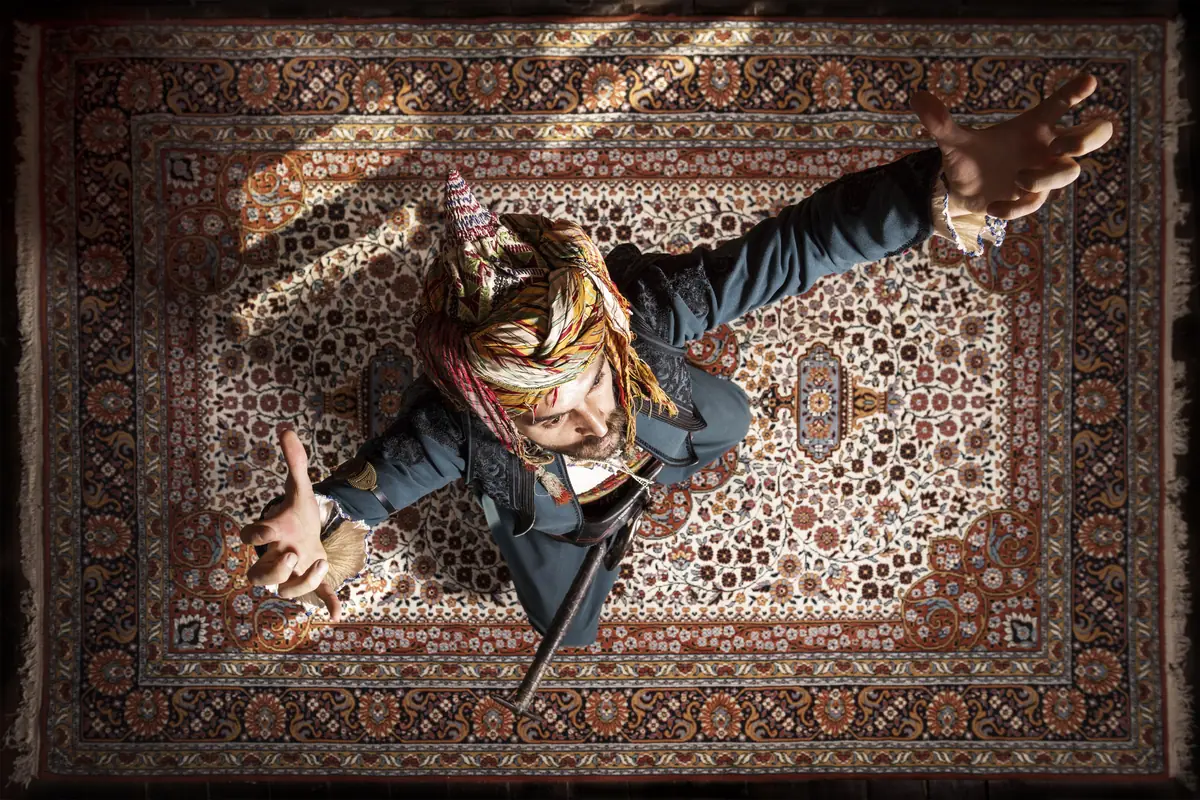
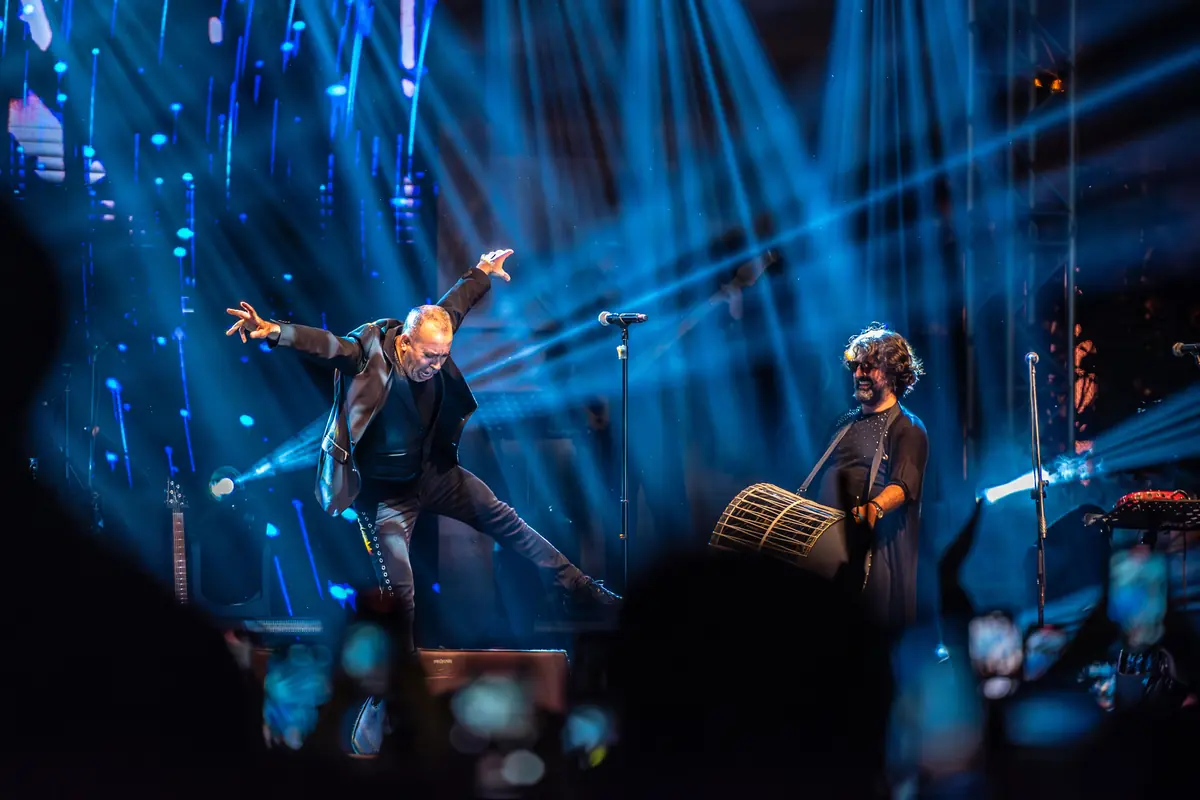
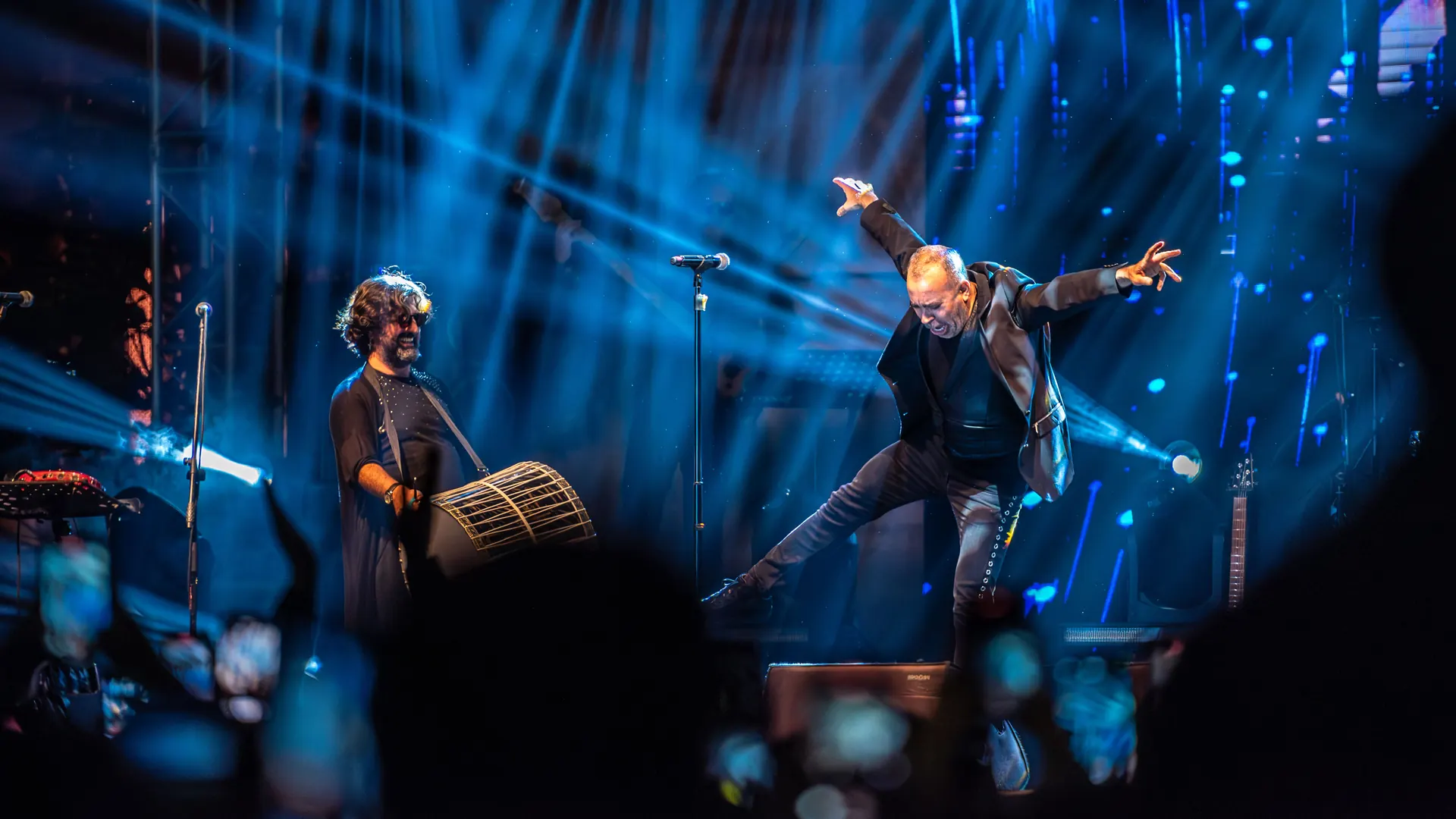
A dancer leaps with arms spread wide in a zeybek on a stage lit by blue beams, while a drummer with a davul stands nearby.

Folk-dance show · Istanbul

See Anatolia dance inside a 15th-century hamam

4.7 (1,689 verified reviews · GetYourGuide)

Anatolian folk dances, live music, costumes and video projection, staged in a restored Ottoman bath in Sirkeci.

Sixty-five minutes of regional dance, costume and live music, inside an Ottoman bath from the 15th century.

Which evening is this?

Know which evening you are booking

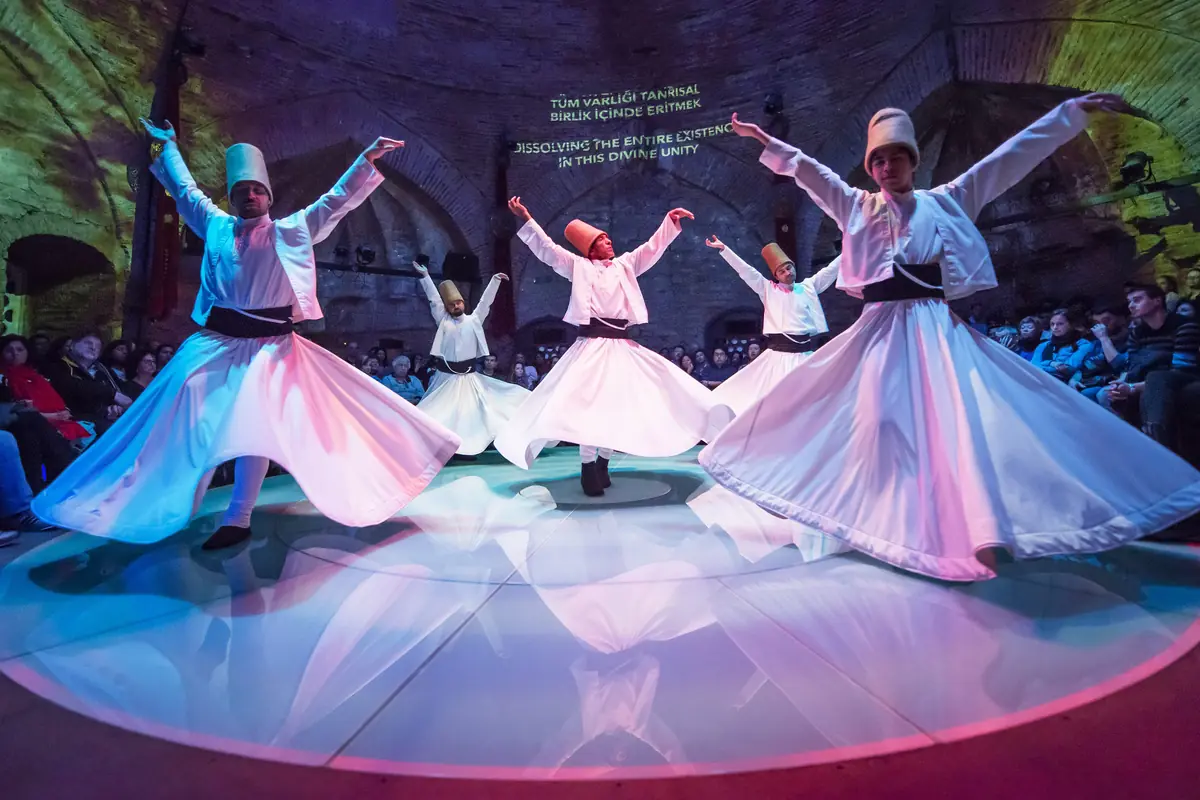
Rhythm of the Dance vs the dervish ceremony

Rhythm of the Dance is a staged folk-dance show: professional dancers, regional dances, costumes, live music and video projection, mixed with modern choreography. A whirling-dervish ceremony is the sema, a ritual of the Mevlevi Sufi order that UNESCO lists as intangible cultural heritage. The same hall hosts both, and some travellers say it should be spelled out that this ticket is the dance show, not the ceremony. Here it is spelled out. If the whirling is what you want, this is a different ticket.

A bath turned into a stage

The show is staged at the Hodjapasha Culture Center, set in a former hamam from the 15th century in the Sirkeci district. Hodjapasha was a double bath: one side for men and one for women. The centre's own history says the dome's portico area was restored in 2008 and now works as a culture center.

Regional roots, modern staging

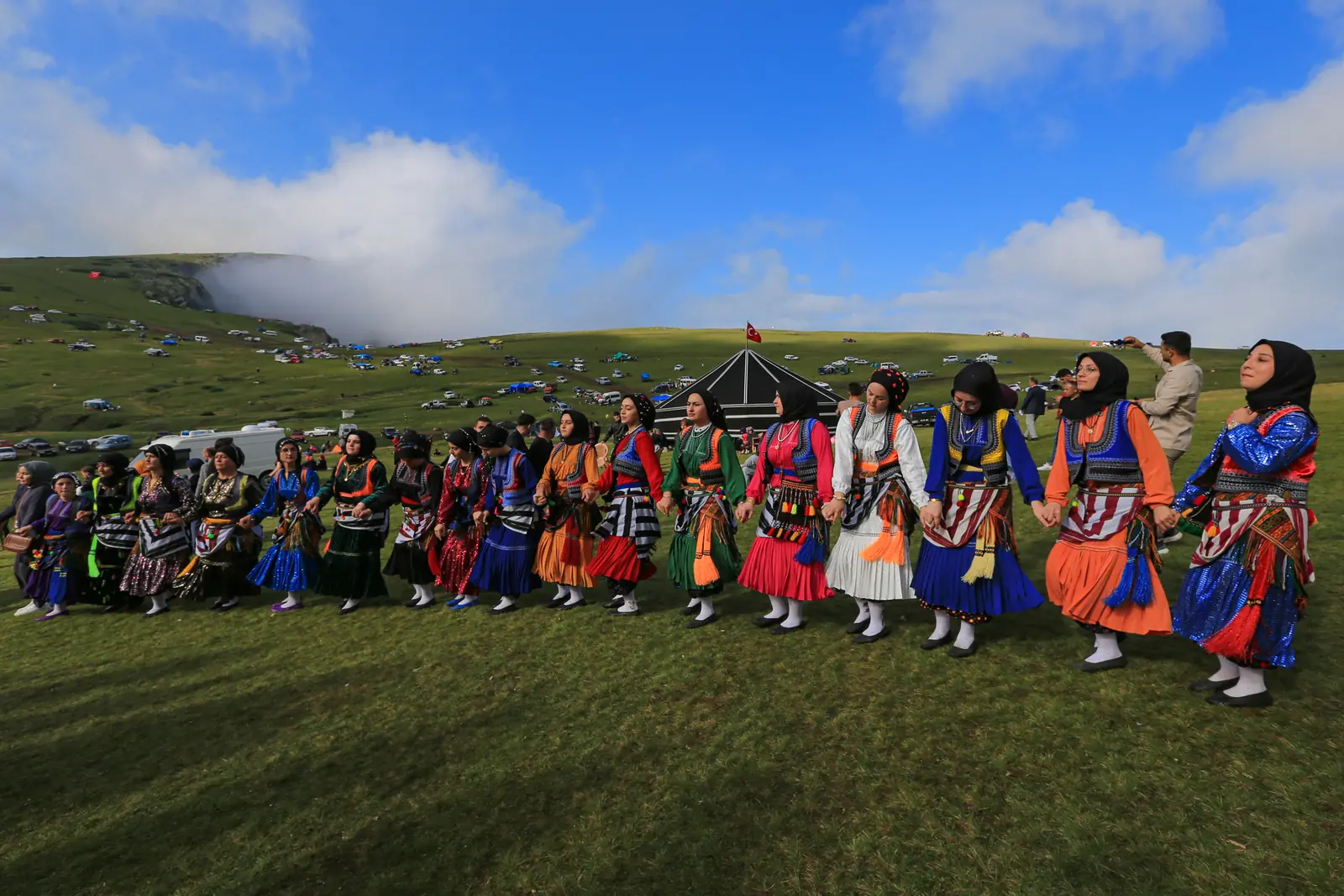
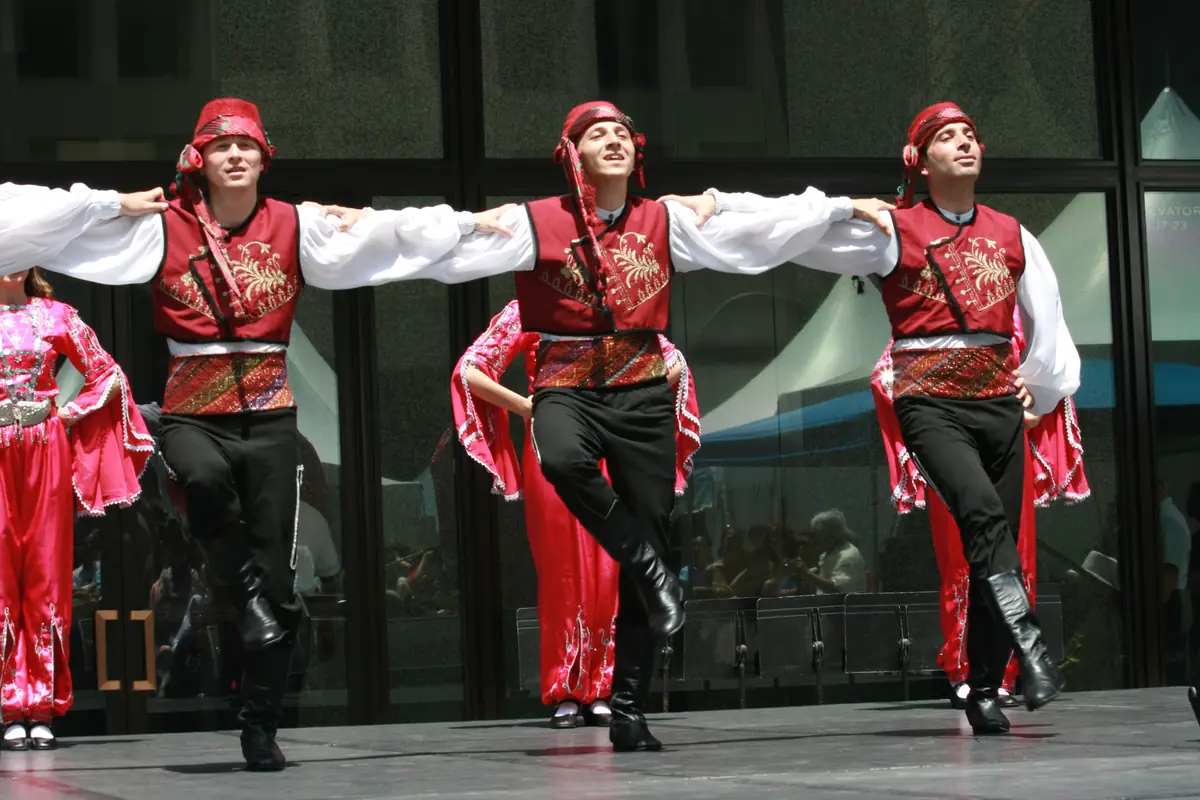
The ticket promises Turkish folklore dances from different regions of Anatolia, performed by professional dancers and blended with modern choreography, costumes, live music and video projections. Wikipedia describes Turkish folk dance as a field of many regional styles dominated by line dances. That variety is what the hour is built on.

65 min
the length of Rhythm of the Dance
15th century
when the hamam that holds the show was built
1988
the year the hamam's men's section closed, before its restoration
9/8
a meter that zeybek, karşılama and bar dances all use

Dances behind the ticket

Six dance traditions behind the ticket

The ticket promises folklore dances from different regions of Anatolia. These six are the traditions that wording points to, with what Wikipedia says about each.

This is a map of the traditions, not a running order. The programme the booking page shows for your date may differ, and no piece is promised here.

  1. Across Anatolia

    Halay

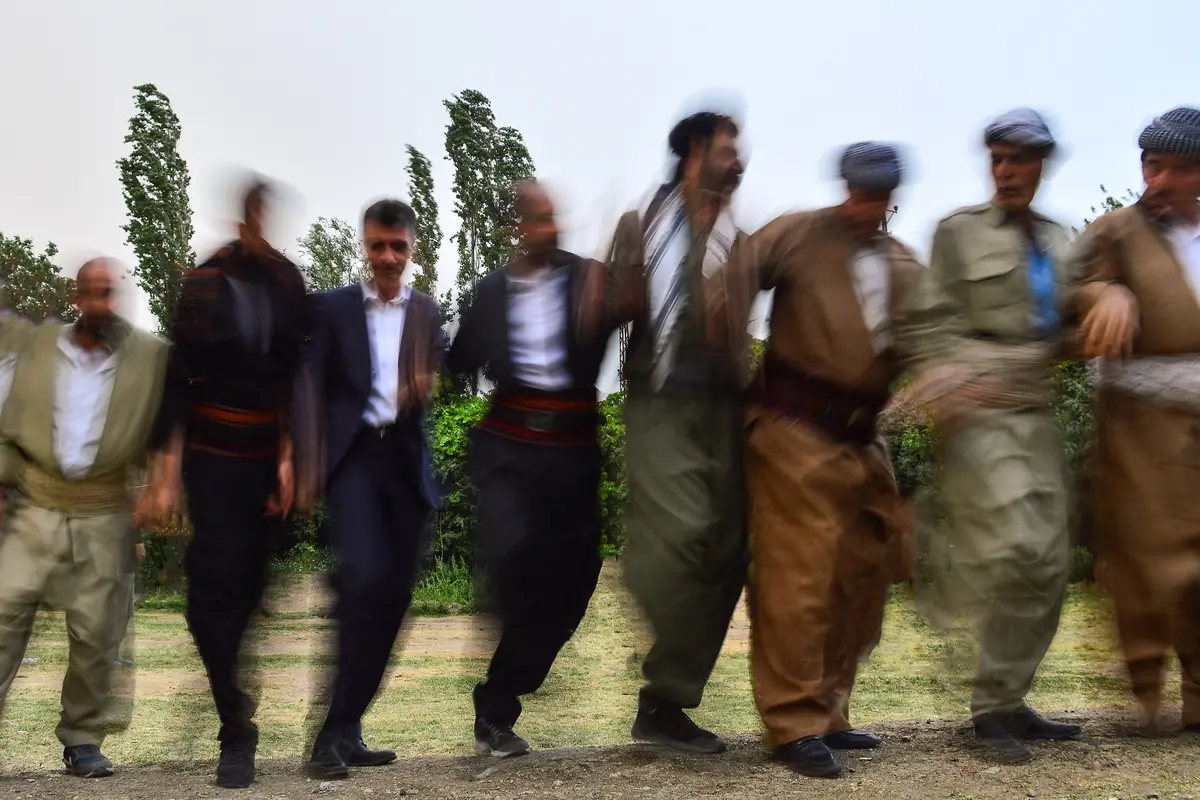
    Wikipedia calls halay the national dance of Turkey and uses the word for the circle and line dances found across the country. Dancers hold each other by the fingers, hands or shoulders, and the first and last may hold a handkerchief. It usually starts slowly and speeds up.

  2. Aegean

    Zeybek

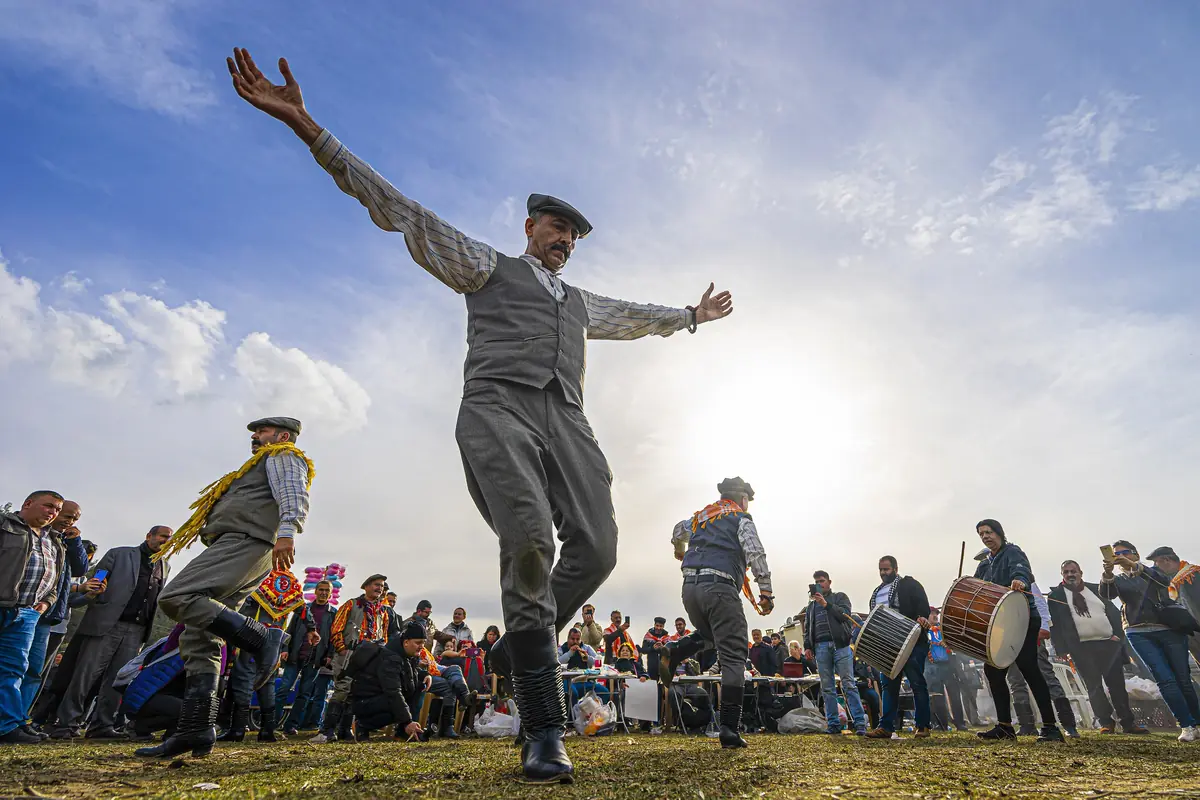
    A dance Wikipedia calls a symbol of dignity, pride and heroism. The slow ağır style is solemn, and the fast kıvrak style brings leaps, shoulder shakes and turns. It is named after the Zeybeks, irregular fighters of the late Ottoman period, and the lead dancer is the efe.

  3. Black Sea coast

    Horon

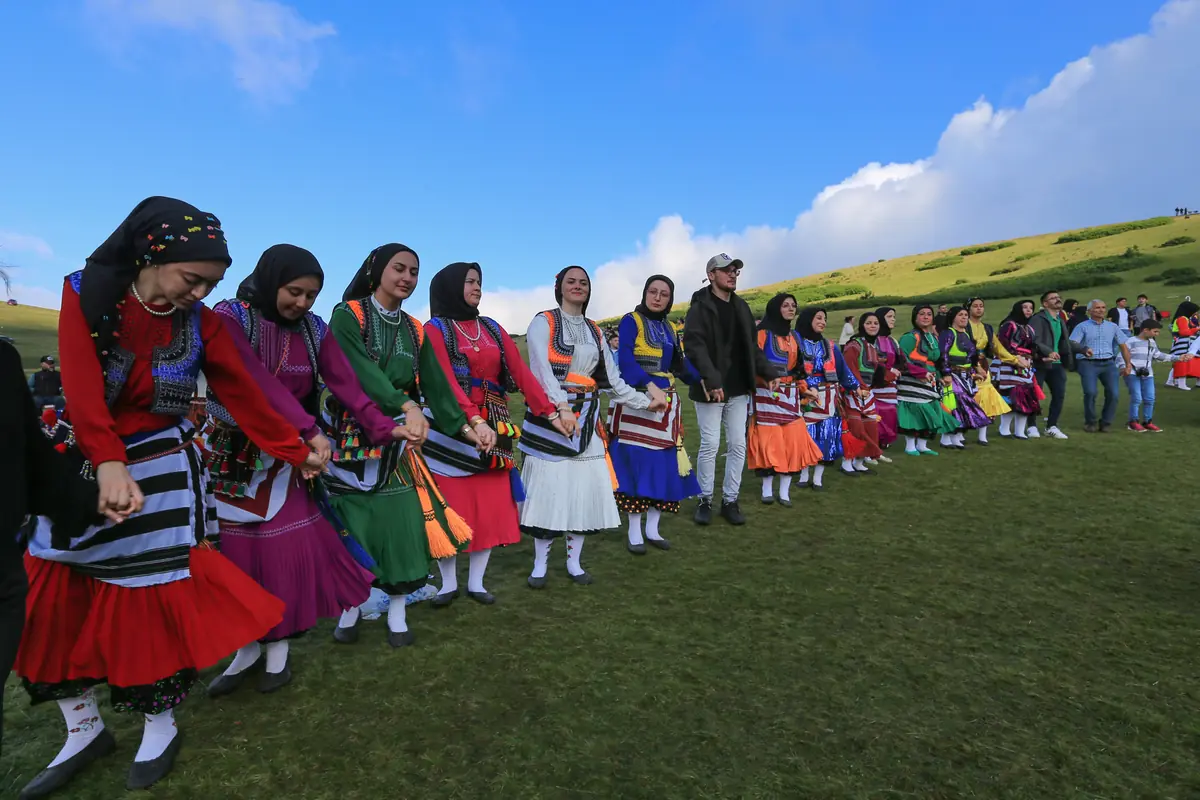
    A family of dances from the eastern Black Sea coast. Groups dance in a line or semicircle with rapid shoulder shaking, whole-body trembling and sudden squats, to instruments such as the kemençe and the tulum bagpipe. Wikipedia counts more than 50 variations recorded in a single area.

  4. Eastern Anatolia

    Bar

    A group dance in which dancers stand side by side, linked by the hand, shoulder or arm. Wikipedia places it in provinces such as Erzurum, Kars and Ağrı, with men's and women's versions that differ. The davul and zurna carry the music, often in 9/8 or 5/8.

  5. Konya area and the Mediterranean

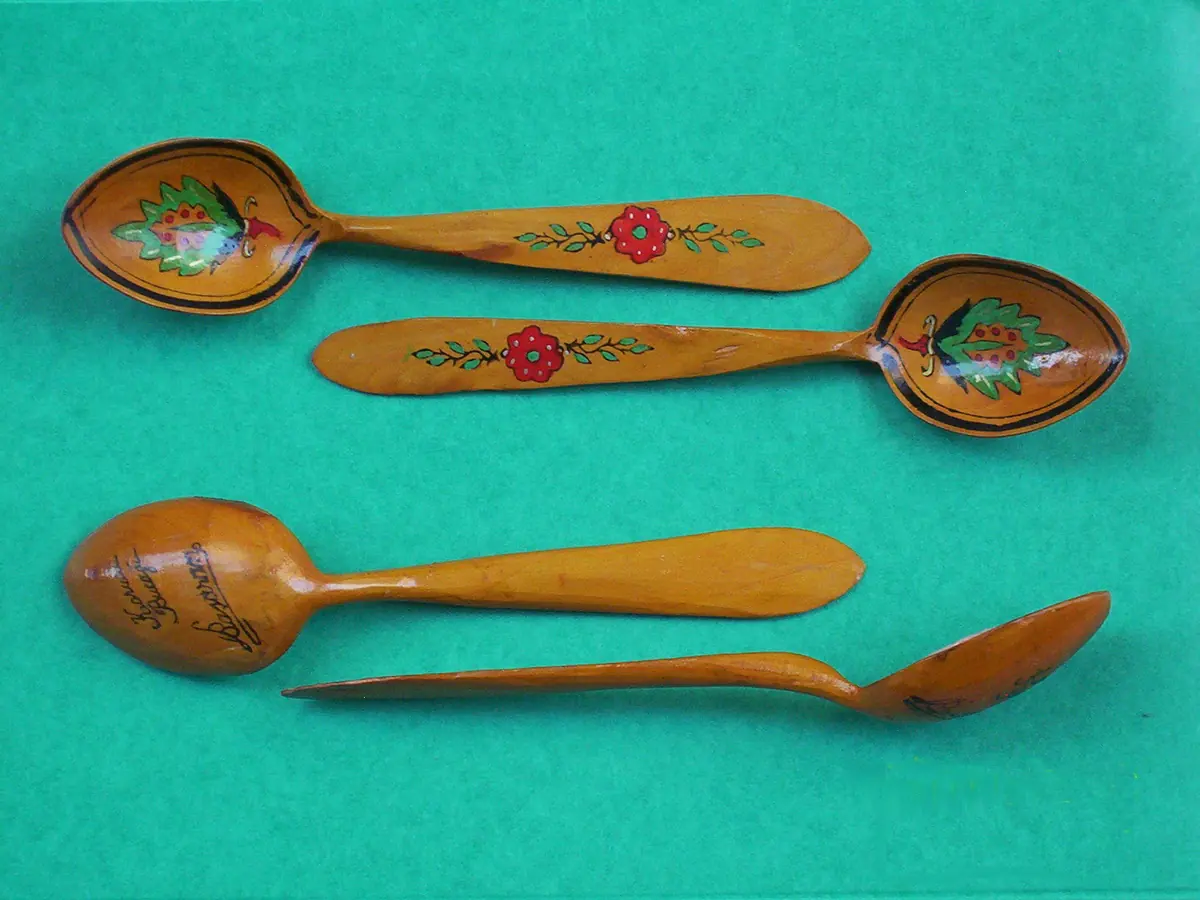
    Spoon dances

    Dancers use wooden spoons as hand percussion. Wikipedia says these dances are found around Konya and in the Mediterranean region, and names Dinar as the best-known example.

  6. Weddings

    Karşılama

    A fast, face-to-face dance, usually in 9/8, tied to wedding music. Wikipedia says it began in north-western Turkey and that two partners stand opposite each other as the music guides their movements.

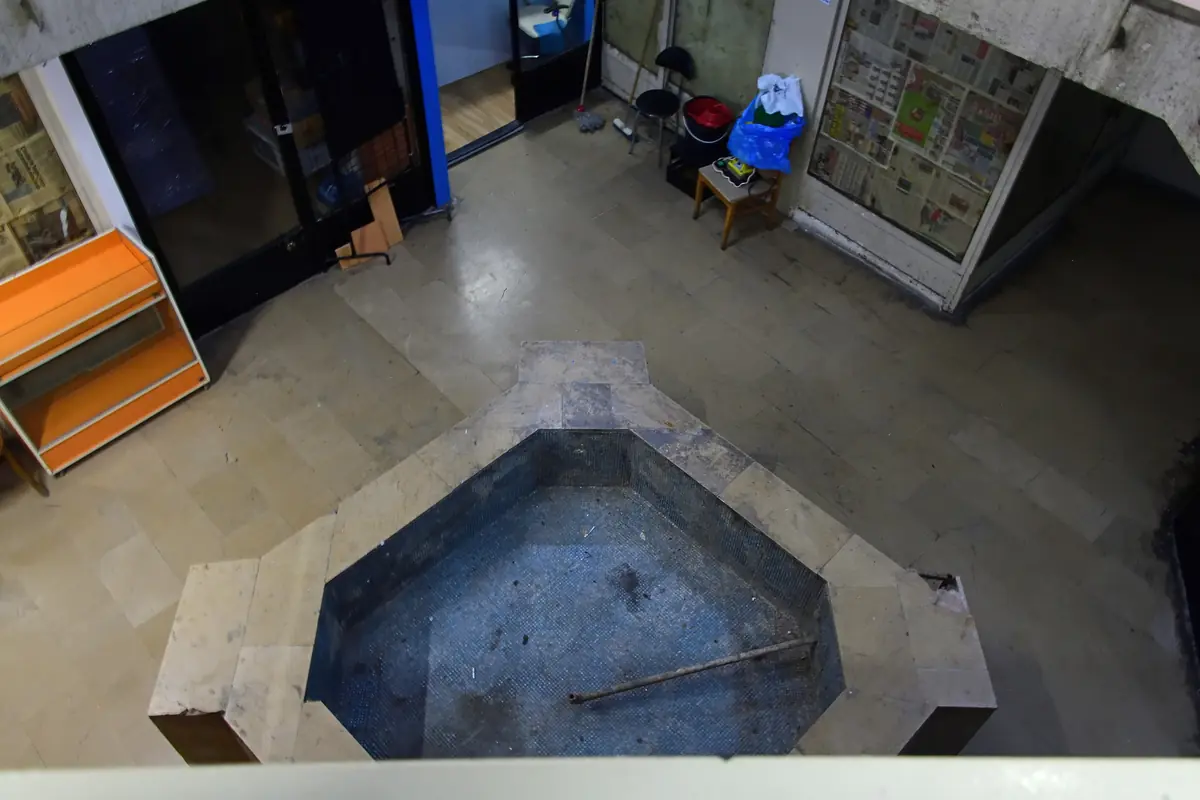
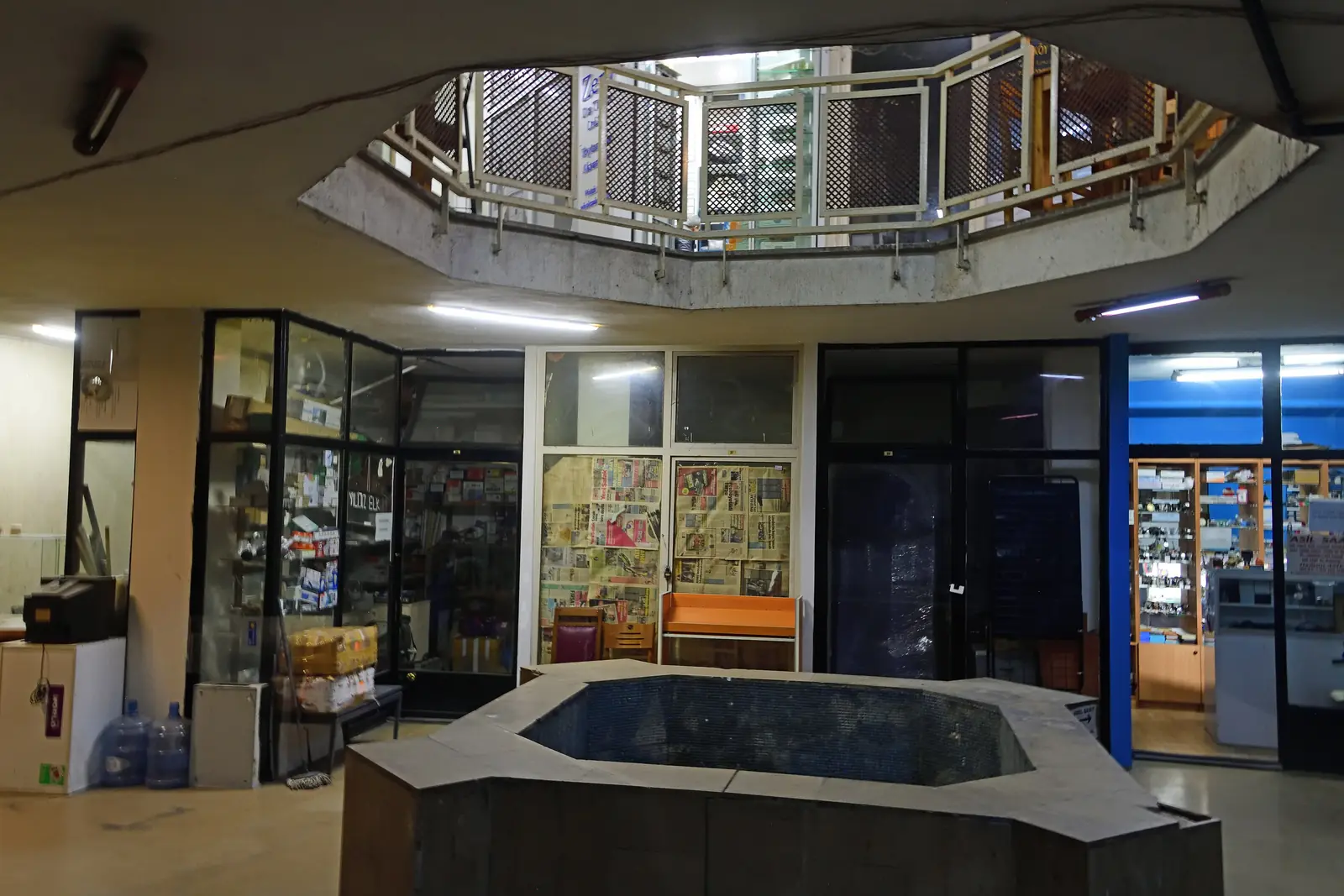
A stone basin in the middle of a hall in the old hamam, with a gallery rail and a dome above

The hamam

Four things about the hamam

A ticket here buys a seat inside the Hodjapasha Culture Center, in a restored Ottoman bath. The centre's own history page and Turkey's Islamic encyclopedia supply what follows.

A double bath
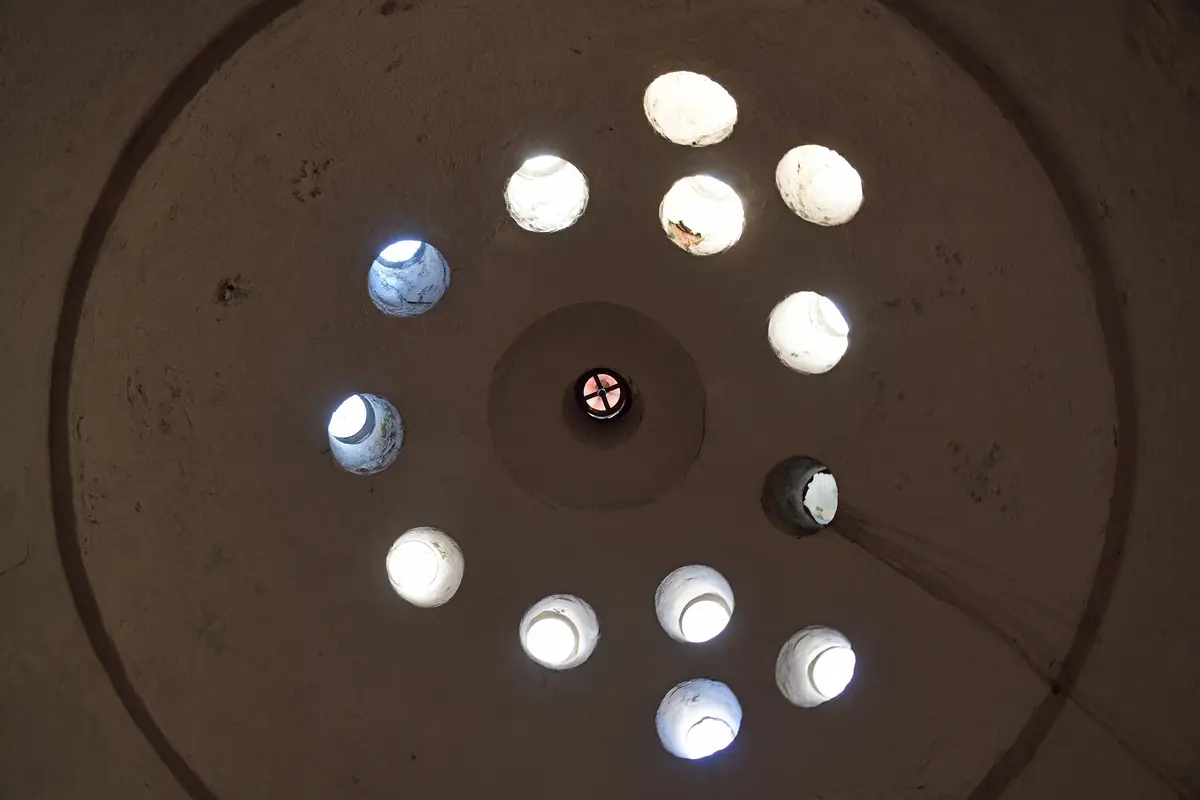
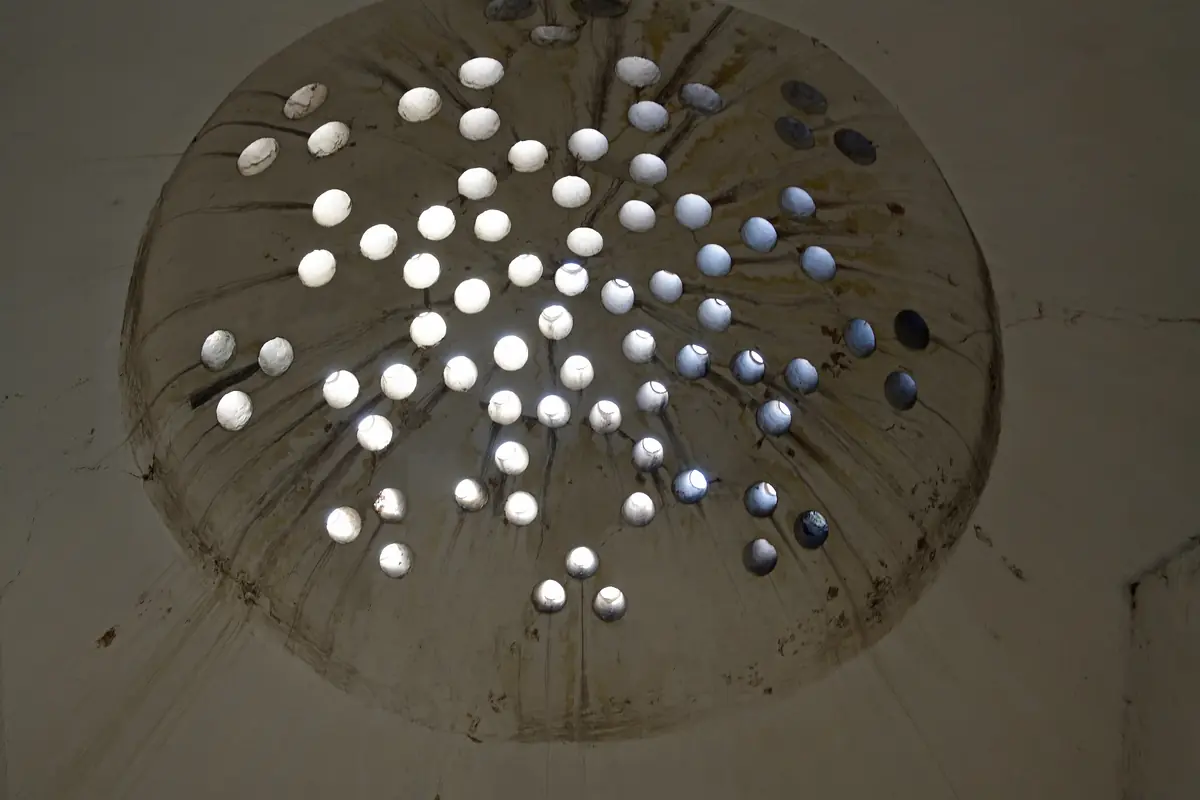
Hodjapasha was built as a double hamam, with the men's and women's sections side by side. The centre's history describes the men's section as having a large dome over the cool room, corner vaults shaped like a peacock's tail and a three-tier marble fountain in the middle.
A name from a vizier
The bath is known as Hodja Pasha because of the district and because Hodja was the nickname of Sinan Pasha, who became tutor and vizier to Fatih Sultan Mehmet. Old endowment documents call it the Sinan Pasha hamam.
From market to stage
The men's section closed in 1988 and was restored as a market place. The portico area of the dome, restored in 2008, is kept alive as a culture center, which the history page says is meant to inspire the market parts of the hamam to develop the same way.
Where it sits
The centre is in Sirkeci, on the historic peninsula near the mouth of the Golden Horn. Its address is Hocapaşa Hamamı Sokağı 3/B, in the Fatih district.
Three different evenings

Three different evenings in Istanbul

EveningWhat to knowWho it suits
Rhythm of the Dance (this ticket)A 65-minute folk-dance show with modern choreography, costumes, live music and video projection, with a refund if you cancel a day ahead and the option to pay later.Visitors who want Anatolian dance and music, staged for a modern audience in an Ottoman bath.
A whirling-dervish (sema) ceremonyA different evening, and a different art form: the sema is a Mevlevi ritual that UNESCO lists. The same hall hosts one, as its own booking, and it is not sold here.Visitors who specifically want the ceremony. This guide does not cover it, apart from explaining the difference.
A belly-dance dinner showA cabaret-style evening of roughly 2.5 hours: a three-course meal, belly dancers, folk dances and theatre, at another venue near Taksim.Groups who want dinner and a night out in one booking.

Check dates and open seats ↗

Reserve your seat

Two ways to spend the evening

The first card opens the Rhythm of the Dance ticket this guide describes. The second is a different kind of evening, shown so you can compare. Each booking calendar lists its own dates and start times.

Rhythm of the Dance (this ticket)

4.7 · 1,689 reviews · From US$32

A 65-minute folk-dance show with modern choreography, costumes, live music and video projection, with a refund if you cancel a day ahead and the option to pay later.

Browse open dates ↗

A belly-dance dinner show

4.0 · 106 reviews · From US$62

A cabaret-style evening of roughly 2.5 hours: a three-course meal, belly dancers, folk dances and theatre, at another venue near Taksim.

Browse open dates ↗

Choose a date for Rhythm of the Dance

Dates, start times and prices come from the live calendar in this box and can change.

More to do in Istanbul

More things to do in Istanbul ↗

Preparing your evening

Before you go

  1. Choosing a date

    Open a date in the booking calendar to see its start times. At 65 minutes the show leaves room for dinner either side of it.

  2. Seats

    Seats are allocated on a first-booked, first-served basis. If your seat position matters, book early.

  3. What the ticket covers

    The ticket lists admission to the performance, a programme booklet and bottled drinking water. Meals are not part of this booking.

  4. Getting there

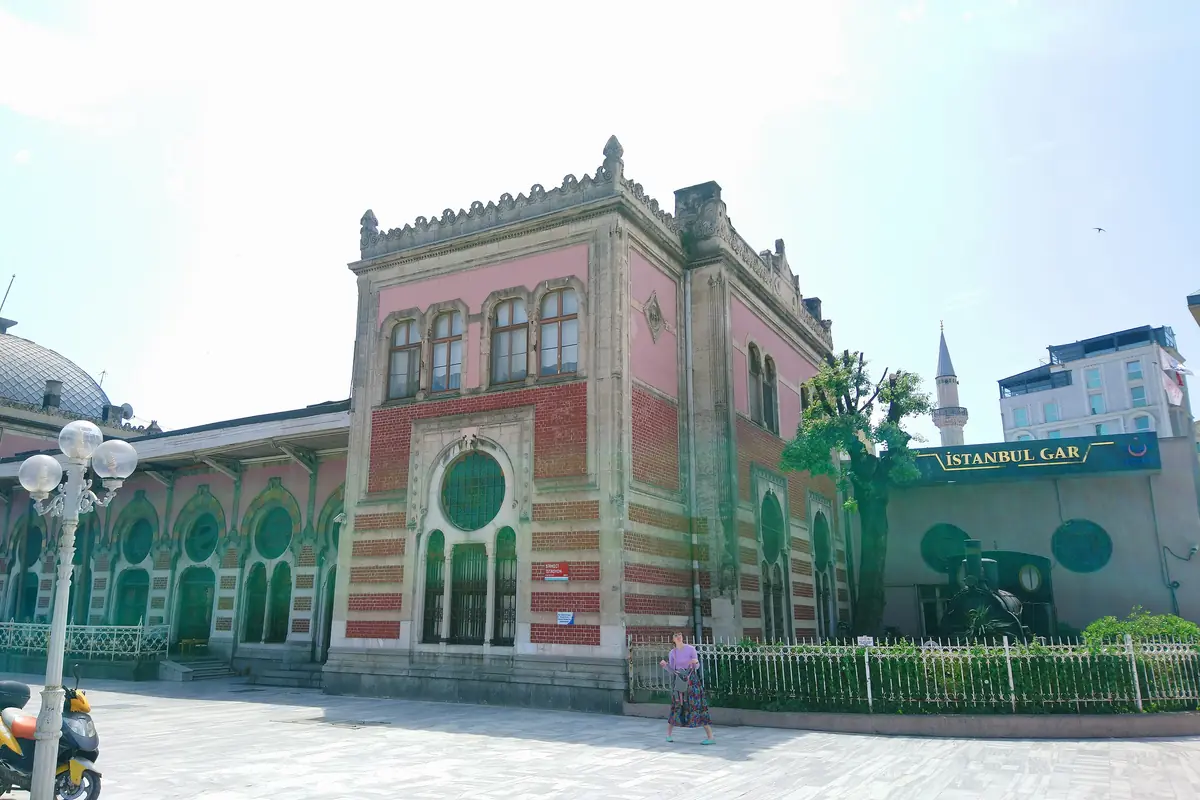
    The centre is in Sirkeci, in Fatih, near the Golden Horn. Sirkeci is known for its railway station, and an underground Marmaray station serves it. For a taxi, have the address ready: Hocapaşa Hamamı Sokağı 3/B.

  5. Access

    The booking page rules out wheelchair users for this show.

  6. Which evening

    Book Rhythm of the Dance for the folk-dance show. A whirling-dervish ceremony in the same hall is a separate booking.

FAQ

Questions before you book the dance show

How long is Rhythm of the Dance?

It runs for 65 minutes. Start times are tied to dates, so open a date in the calendar to see them.

Is this a whirling-dervish show?

No. Rhythm of the Dance is a modern folk-dance show with contemporary choreography. A whirling-dervish ceremony, the sema, is a separate Mevlevi ritual and a separate booking, even though the same hall hosts it.

What will I see?

Professional dancers perform Turkish folklore dances from different regions of Anatolia, blended with modern choreography, costumes, live music and video projections.

Where is the show held?

At the Hodjapasha Culture Center in Sirkeci, a restored Ottoman bath from the 15th century. The address is Hocapaşa Hamamı Sokağı 3/B, in the Fatih district of Istanbul.

What does the ticket include?

Admission to the performance, a programme booklet and bottled drinking water. It does not include dinner.

How are seats allocated?

First-booked, first-served: the earlier you book, the earlier you are allocated. If seating matters, book once your dates are settled.

Can wheelchair users attend?

Wheelchair users are listed among those the show does not suit.

Can I cancel?

Yes. Cancelling a day or more ahead brings a full refund, and you may pay later instead of today.

An independent guide to the Hodjapasha Rhythm of the Dance show in Istanbul: Anatolian folk dances, live music and a restored Ottoman bath.

Reserve a seat in Sirkeci ↗

Amounts here are in US dollars; the checkout shows them in your currency.

Pick your show dateFree cancel a day ahead · pay later